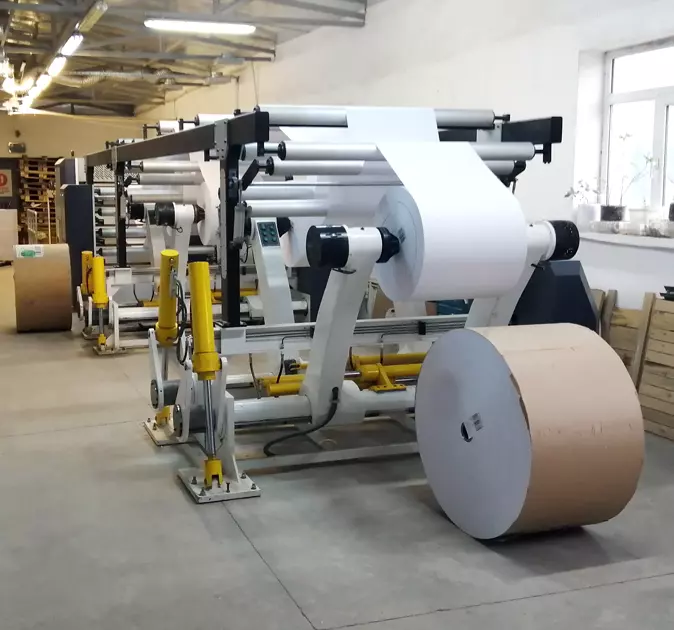
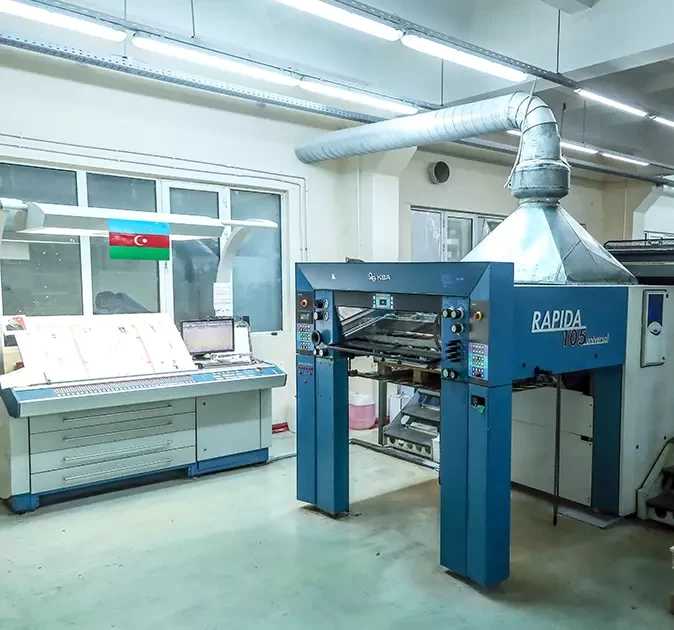
Offset Printing
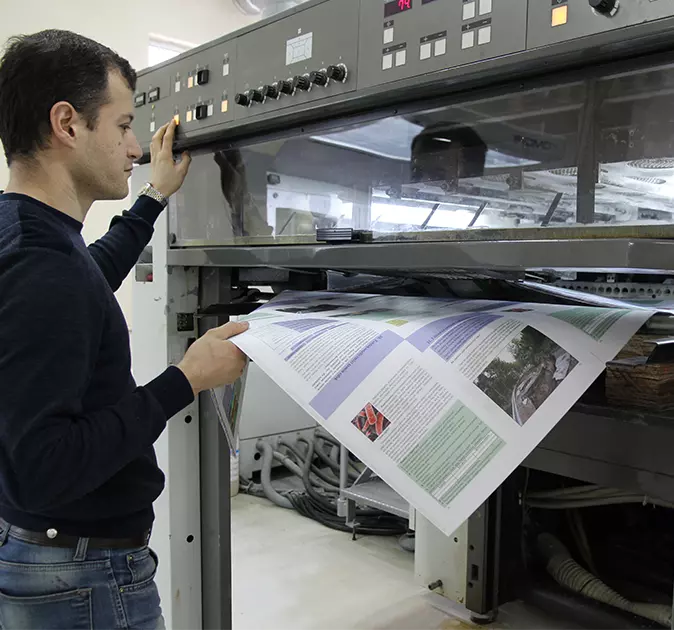
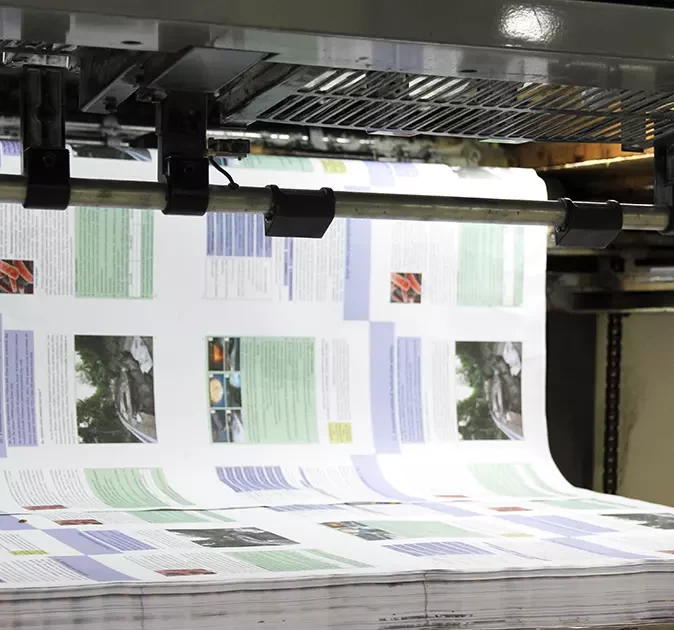
Offset printing technology is quite complex. The rotating shaft with a printing plate is covered with a special photosensitive layer, and is arranged so that it allows applying ink precisely to those areas that are necessary for the correct "formation" of a pattern or inscription. The shaft with the mold is washed with a moistening solution, then, using a system of special "colorful" rollers, paint is applied to it, the image is transferred to the offset cylinder, and from there to paper or cardboard.
The advantages of classical offset printing include:
1. Accurate printing of fine image details;
2. Full transmission of any color nuances;
3. The highest accuracy of printing at high speeds - 5,000 sheets per hour or even more;
4. Impeccable printing on textural or metallized paper, as well as on paper of increased density;
5. Cost-effectiveness. Offset printing is very profitable with high print runs. In this case, the reverse proportionality applies: the larger the circulation - the lower the cost of each copy.
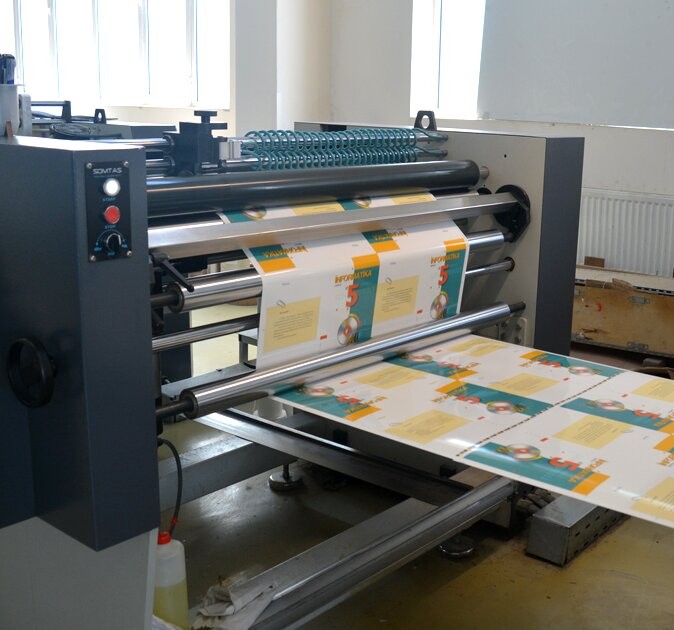
Lamination
Lamination (lamination) - the word arose from the English laminate and denotes coating with film, in this case - printing products.
The main purpose of lamination is to protect the image from various external influences and damage. Lamination is done on book covers, ID cards, calendars, menus, and other products that
are often used and risk being washed, torn or poured.
Types of lamination:
1. Batch lamination
2. Conventional hot roll lamination
3. Cold lamination
Films for lamination are:
1. Glossy - perfectly convey the color of the image, its saturation and brightness.
Light glare occurring on a glossy surface prevents the perception of small details, for example, information text.
2. Matte - exclude highlights, make it possible to easily make inscriptions on the surface. These inscriptions are easily erased with the usual eraser. Matte film coverage looks more respectable and is usually used to laminate business cards and expensive advertising products.
3. Textured - for example: "Sand," "Canvas," "Flax," "Splash of champagne," "Fabric" is used to decorate the surface of the image.
Prepress
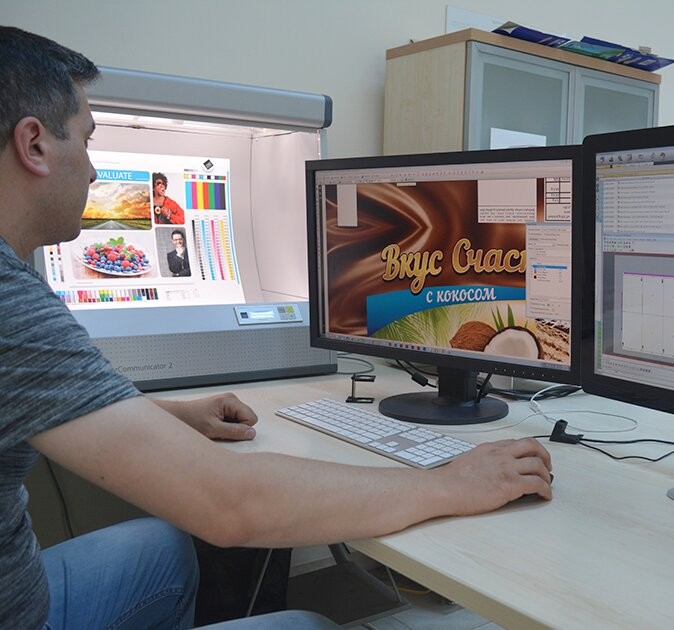
Pre-printing, or prepress, is a very important step towards obtaining high-quality printing products. Even with impeccable design and excellent design, it is necessary to prepare printing materials for the printing process. To create any type of printing product, from a corporate calendar to a scientific book, you need to have an idea of what the technological process consists of preparing a layout for printing a print run. When performing competent prepress training by professionals, you can avoid and correct many different errors that entail time, labor and significant money.
What processes does prepress include? First of all, if the data necessary to prepare the layout is on paper, the prepress specialist transfers it to digital format. It then retouches the resulting images.
When providing files in digital format, it may be necessary to work with them on another software and hardware platform, in this case, professionals convert correctly from the platform to the PC platform and Macintosh.
The necessary stages of prepress are photo output and color proofing. Competent implementation of these processes by professionals guarantees excellent quality of printed materials.
By making proofs, it is possible to achieve a visual or exact match between printed images and the original layout. Color proofing allows you to obtain a control color print. The manufacture of proofing is not a mandatory stage of pre-printing, but its use allows you to obtain a prototype image that will go into circulation. Even in the process of prepress, color proofing helps control the quality of future printing of layouts and avoid color errors.
Photo output, or production of a photo form, is made on the basis of original models, for subsequent receipt of printed forms. Photoforms are transparent films containing information that will be transmitted on a printed print using certain inks. The photo output allows you to track errors and inaccuracies that can spoil the entire circulation in the process of prepress preparation.
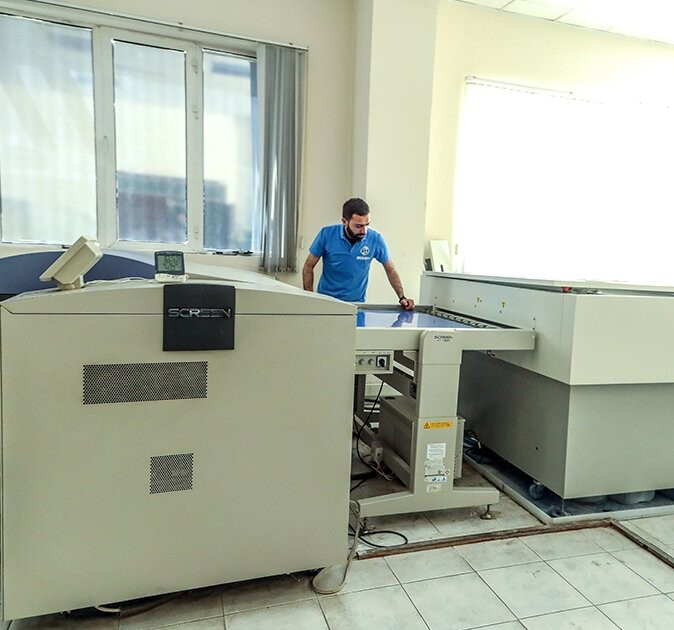
The production of printing plates is currently a digital process and includes digital processing of text and graphic information, layout and design. The production of printing plates is also an important stage of pre-printing.
Different printers have different requirements for the layouts provided. The task of specialists involved in prepress preparation is to adapt the layout files to the requirements of a specific printing house in which the circulation will be printed.
Layouts made in office program formats often require correction, so at the prepress stage it is necessary to prepare such a layout for printing in professional layout format.
Printing a print run based on original models that have not been preprinted threatens to cause many problems, because all defects, color inaccuracies and other errors will be visible directly during the printing process. There are a number of typical errors faced by printing houses, including:
no trapping;
exceeded total color ability;
Images in the RGB color model
Image resolution is either too small or too large
Composite black in the text
Misuse of Overprint
absence of "sorties" under cut, etc.
Our studio specialists have the necessary knowledge and experience, as well as the necessary equipment and software to carry out a complex prepress process, without which it is impossible to obtain a qualitative result when printing your printing materials. Our employees responsible for prepress both prepare already ready-made layouts for printing and perform this work when ordering the development of advertising printing materials "from scratch" in our studio.
Curtain Cut
Shaped cutting is a technology for creating printing products of a non-standard, arbitrary shape. The physical side of the process is due to the use of special presses and punch molds. Bar is composed of knives secured on rigid base to repeat contours of finished product. The bar and sheet material (paper, cardboard, thin plastic, etc.) are placed in the press, where the cutting process takes place. Figured cutting is a technology that is very popular in the printing services market. Agree, do not invent a cutting of humanity, how boring it would be to look at colored squares and rectangles of cards, leaflets and other printing products. Beauty must save the world!
Caching
Caching (from German kaschieren - glue with paper, hide, mask) - the technological process of applying and fixing an opaque film on an opaque material by gluing or compressing two surfaces (liner and base). The liner has a less dense structure, the base is a denser material. Caching is carried out on special caching equipment by gluing to the base of pre-prepared paper, cardboard, foil or film. Depending on the number of liners, it can be one-sided or two-sided. In graphic arts, caching, due to the high quality of full-color printing on paper and dense cardboard, is used for the production of POS materials, various types of packaging, children's books and developmental games, in particular, puzzles, executive class products, calendar making, etc. To increase the attractiveness, some types of post-printing processing can be used: lamination, embossing, congrev, UV varnish.
Scanning
Digitizing an analog image for further processing by computers. Scanning is also used for element-by-element output of an image in direct reproduction systems. During image scanning, the object is projected by the lens onto the photosensitive surface of the camera. Reading can be carried out element by element, point by point (single-element photodetector), line by line (ruler of photosensitive elements) or over the entire area (matrix of photosensitive elements). Element scanning is not practical in digital photography. The line-by-line recording method corresponds to the principle used in scanners. Therefore, such a camera can be considered as a scanner with an integrated lens. When shooting colored objects, the luminous flux using color filters is divided into three chrominance channels (RGB). Line-by-line cameras require constant lighting conditions. In addition, the objects to be recorded should not be moved during the shooting process, i.e., essentially during the scanning process.
Color Separation
A process step of reproducing a color image in which light of a complex spectral composition is divided into several monochrome halftone components, each of which contains information about only one color or another parameter of the color space. The resulting color separations are called color separations. Color separation in modern printing is the process of preparing color images for printing in several colors. This technology uses the principle of subtractive color synthesis, which assumes that layers of color dyes are applied to a material reflecting or transmitting light (for example, paper or a transparent film), each of which "subtracts" its fraction of the spectrum from white. Traditionally, color separation has been carried out in printing houses using optical filters and a raster system. Currently, the rasterization and color separation process is automated and implemented software for preprinting images, in particular in the Adobe Photoshop graphics editor. The color separation herein is the conversion of a color image into four color separations, from which four offset printing plates are made, sequentially applying color printing inks to paper, forming a full color image on the print.
Coloring Test
Customers are often interested in the question of what its publication will look like after printing, whether the images will remain as bright and saturated as the company colors will be transferred. All these questions can be answered by making a proofing. Among the many services of the Sharg-Garb Printing House for the manufacture of proofing is one of the key ones, the quality of the final product depends on it. Proofing - an image that serves as a template for reproducing color when replicating printed material. Color proofing is one of the important tools for ensuring the quality of color reproduction in graphic arts. Color proofing gives an idea of what a print print will look like after the order is printed. At the moment, our company provides digital proofing services, which allows for 95% imitation of printed print. Our printing house strives for constant development, improvement of its activities, including with regard to flowers. Having ordered the manufacture of a proofing from us, you can be sure that the work will be carried out as efficiently and quickly as possible. In addition to making proofing, we offer other types of pre-printing - high-quality color correction.
Stamping
Embossing is considered a necessary and spectacular type of ennobling. Embossing effect is achieved by deformation of material by means of embossed cliché. It can be combined with foil application. The modified surface pattern provides a different reflection of light rays from the embossed image structure. In sheet printing, the production of embossing cliches is expensive. In rotary roll printing, it is also expensive in cost. This technology should be used only for high-circulation, regularly repeated products (for example, wallpaper, cigarette packaging, etc.).
Hot Stamping
Congregational embossing without foil (English embossing, German praegung) - giving relief (in the direction of the observer) by pressing the material between the cliché for the congress (matrix) and the punch (counter matrix, response part). The image is made convex. It is produced either in a cold way or with heated cliches up to 60 ° C. Congregational embossing with foil m can be performed in two ways. In the first method, the process is carried out in two runs: during the first run, the foil is pressed, and the second run gives relief. In the second method, the process is performed in one stroke (imprint); foil transfer and relief occur simultaneously, which makes it possible to halve the time spent on circulation. In the second method, a technologically more complex (and expensive) cliché is used, a one-stroke skill of the press operator is required, a high temperature of 110-160 ° C is needed, and a press capable of performing such work, for example, "Bobst" or "Gietz."
Printing With UV Inks
These inks are cured by ultraviolet radiation with a wavelength of about 100-380 nm. UV printing inks have a completely different composition than standard printing inks, for example, for offset printing.
They are mainly used in printing on non-absorbent materials, such as plastic and tin, as well as on high-quality cardboard products and labels. UV inks are designed for all standard types of printing, as well as for inkjet printing.
UV Printing On Metallized Lamination
Metallized printing materials are various types of paper, cardboard or self-adhesive film with a thin aluminum film pressed to them - gold, silver, color or PET film with various holographic effects.
Scope:
1. Packaging for perfumes and cosmetics, confectionery, tea - coffee, luxury alcohol, children's goods, gift packaging.
2. All variety of packaging for CD and DVD.
3. All types of POS materials.
4. Any representative and advertising printing.
5. Metallized stickers!
UV Varnish
UF-varnish (UV varnish) in polygraphy is a putting special varnish on purpose giving of printed materials of luster. UV varnishing is one of the stages of post-printing processing of printing products. The UV lacquer distribution is due to the unique visual advantages that UV lacquer gives to advertising products. UV lacquer is a solution of acrylic resins and liquid polymers. The polymerization (drying) of the lacquer occurs only under the influence of UV rays, the process being almost instantaneous. The UV lacquer forms a protective lacquer film. UV varnishing can achieve a shiny, smooth surface. UV lacquer, even when applied in thick layers, forms a uniform film that is comparable in strength to lamination.
Dispersion Varnish
Water varnishes (as opposed to printed varnish on water) wet the raw paint layer worse than the dried one. Therefore, a uniform glossy lacquer film of the highest quality is obtained only when the lacquer is applied to the dry paint layer (and the sealing material). This can be done by line drying (UV paint) or by stand-alone varnishing. The peculiarity of dispersion varnishes is that they dry out very quickly. Therefore, they are not used in conventional offset paint machines, but are applied in special varnishing devices that have only a few rollers or a chamber missile system. When working with dispersion varnishes, it is often necessary to supply heat for purely physical drying by evaporating water. Already after removing part of the water present in the varnish, the surface loses its tackiness.
Twin Lacquer
The printing polish consists largely of unpigmented blanket ink. Varnishing can be carried out in one of the inking sections of the printing machine or in special sections having an inking box, a rolling system of rollers, mold and offset cylinders. The quality of the gloss when varnished in line is not so high, since the printed varnish is partially mixed with still fresh paint. It should be borne in mind that lacquer is prone to yellowing. Water varnishes are preferred for long-life printed matter. In the application of aqueous varnishes in the paint sections, an unresponsive, i.e., conventional hydrophilic form plate (e.g., aluminum surface) is used. However, the quality of the lacquer in this case is lower than that achieved in a separate lacquer section due to the application of a thinner lacquer layer in the printing machine. There is also a risk of drying the lacquer over a long rolling path on the rollers, which leads to additional costs for cleaning them.
Selective Lacquering
Selective lacquering is used to ensure that the pixels, as opposed to the unlocked area, are matte or glossy, resulting in a special color effect. At the same time, you can get very spectacular images, for example, jewelry and accessories, by high-glossy lacquering in a matte environment. Fragments of images during printing and varnishing must be accurately superimposed on one another. Despite the slight contrast of the translucent lacquer applied, the smallest mismatches in printing are perceived as significant defects. Requirements for the combination of lacquer moulds are comparable to the requirements for the combination of inks in offset printing. Combining images on molds using print varnish does not cause problems, since the print varnish in the offset is perceived as ink by the mold. Aqueous and UV varnishes are applied using flexographic shapes, as well as elastic forms of high printing, which can be deformed when placed on the cylinders of the varnishing sections.
MACHINES
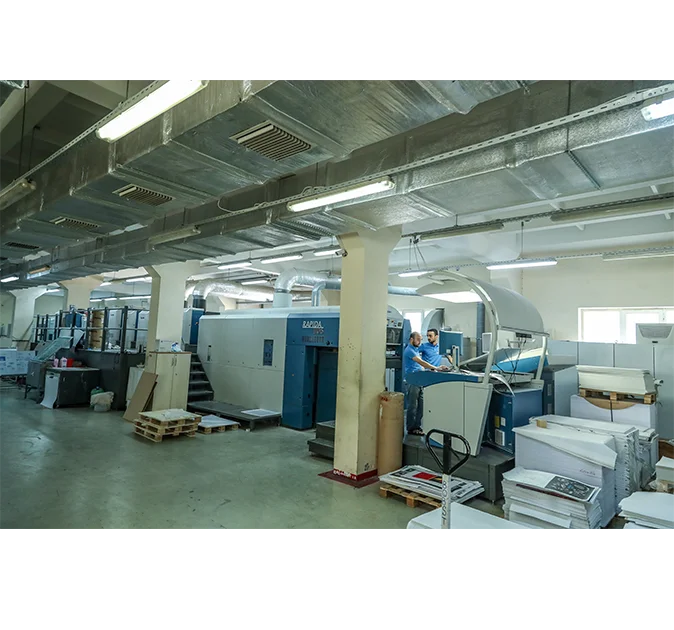
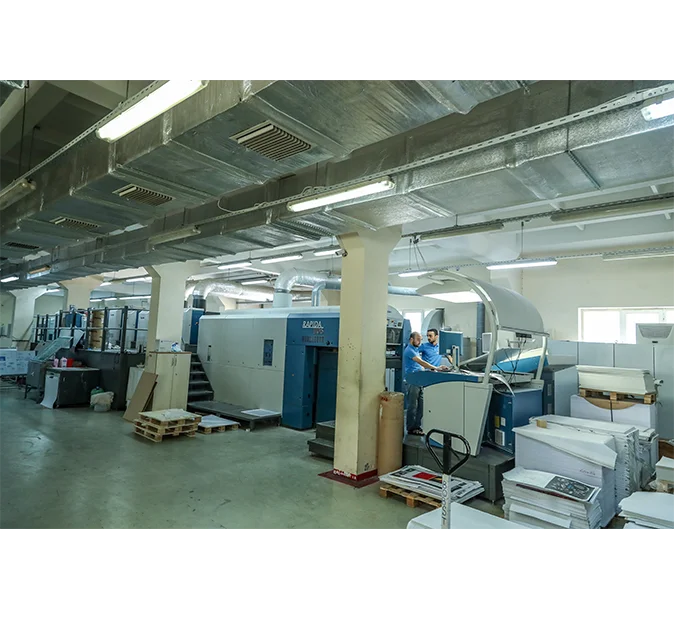
KBA RAPIDA-106
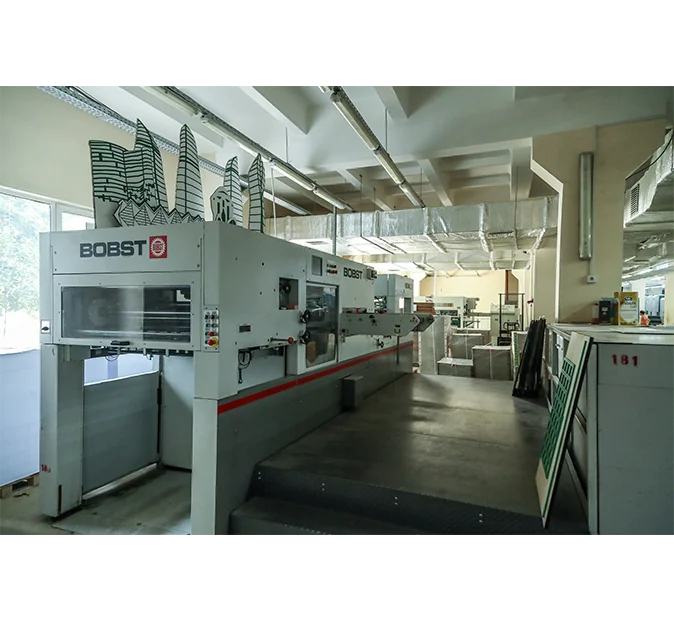
BOBST NOVACUT-106
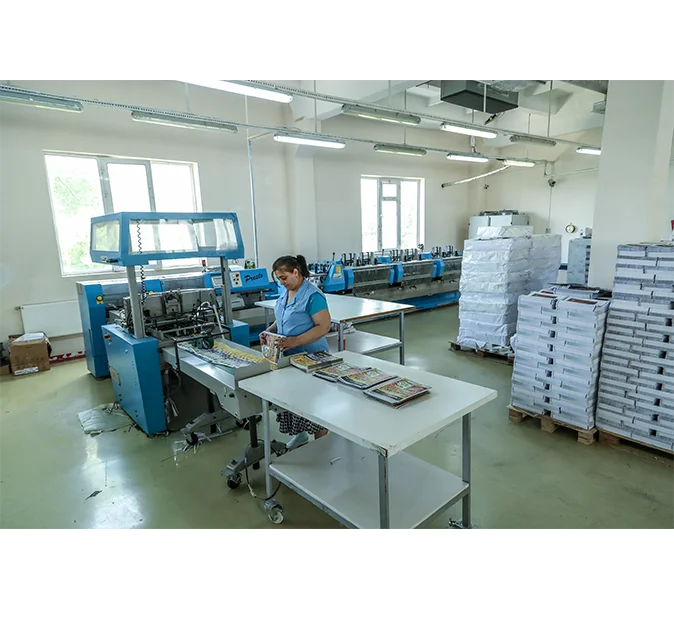
MULLER MARTINI PRESTO
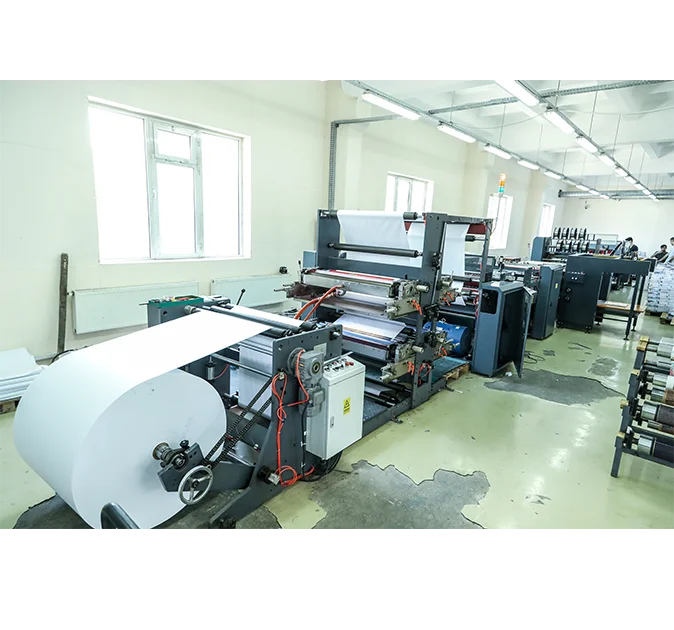
HL-930/1020B
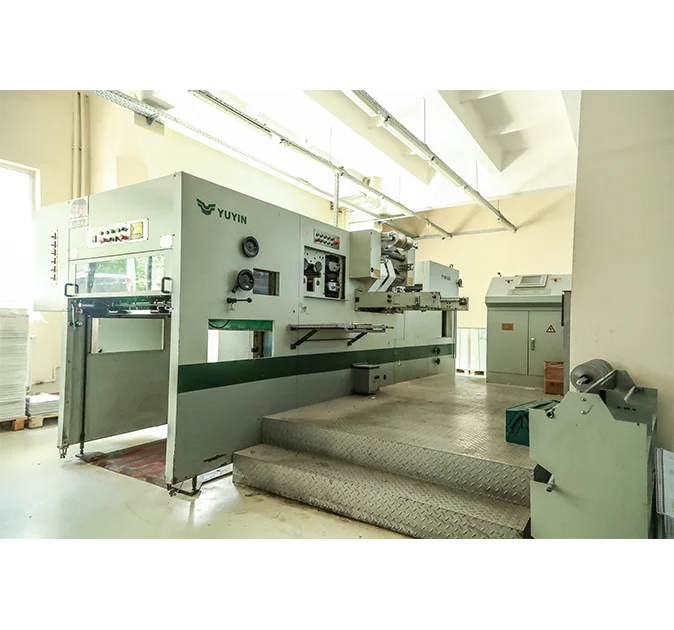
YUYIN TYM-1020
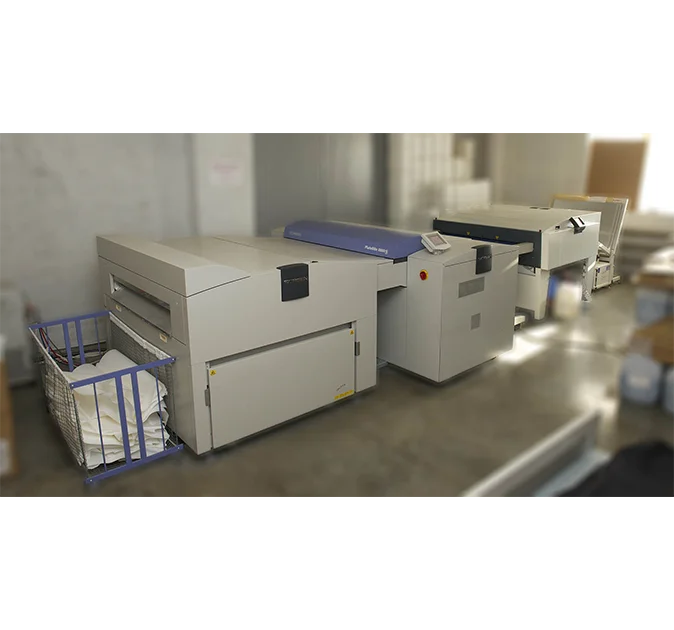
SCREEN PlateRite 880
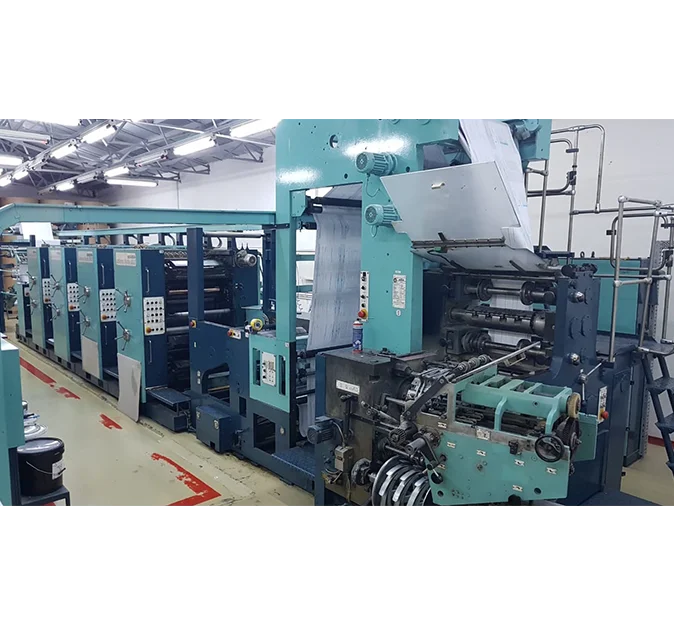
POLYGRAPH Zirkon forta 660
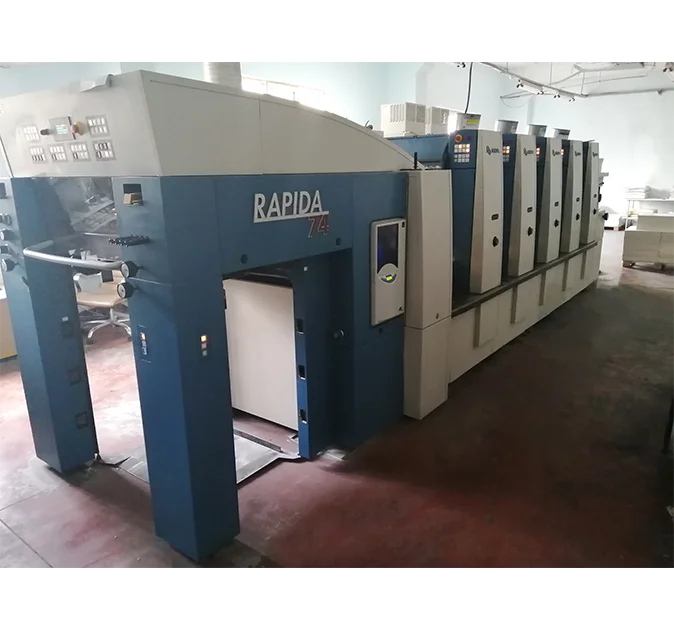
KBA RAPIDA-74
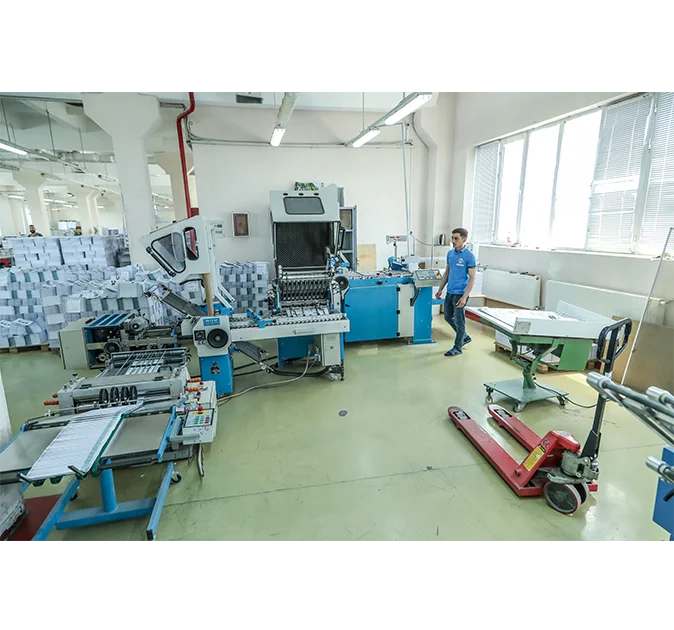
GUK
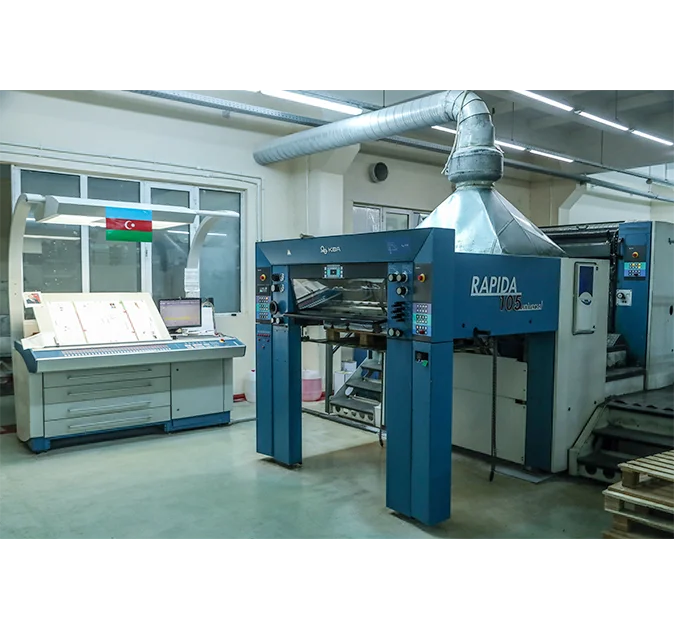
KBA RAPIDA-105
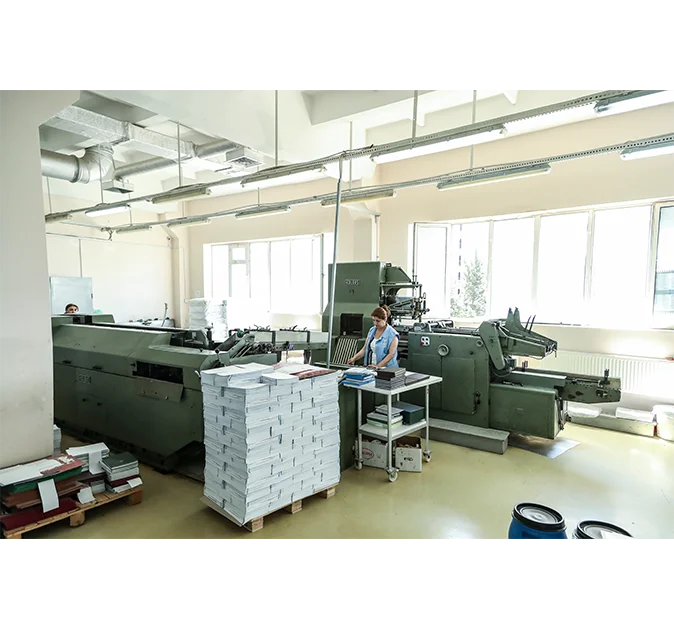
KOLBUS
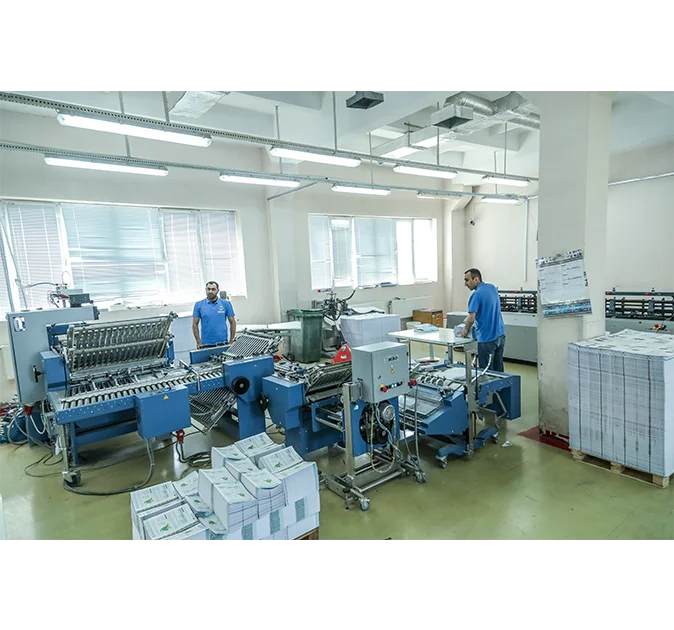
MBO
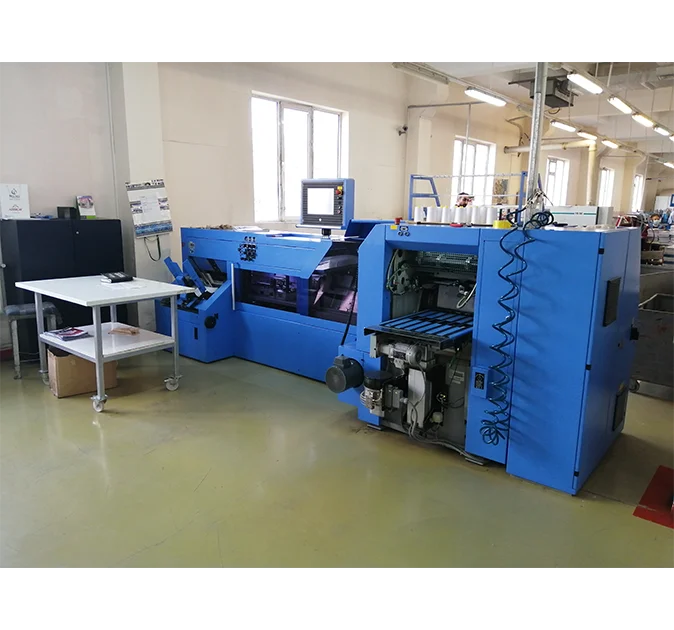
MULLER MARTINI VENTURA MC
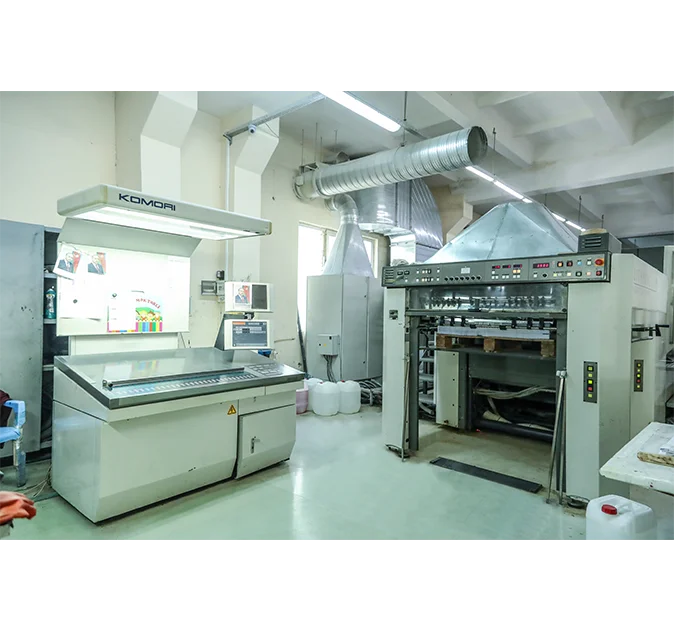
KOMORI LITHRONE S40P
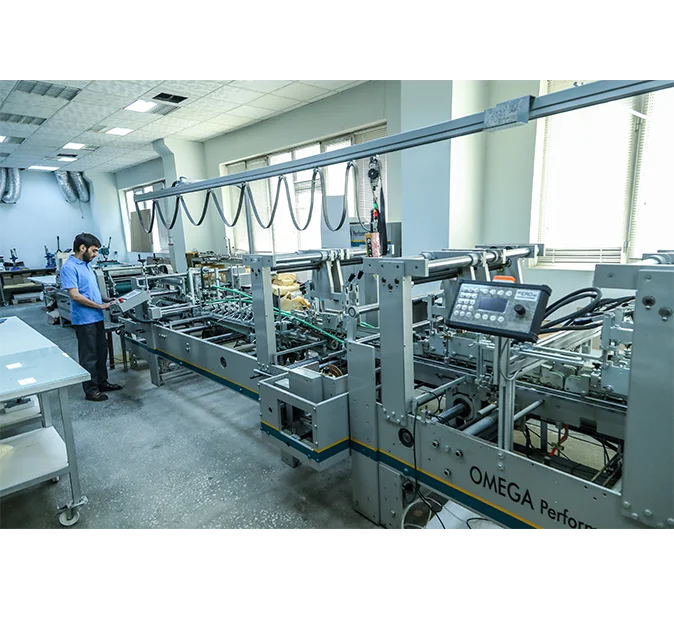
OMEGA Performa 110
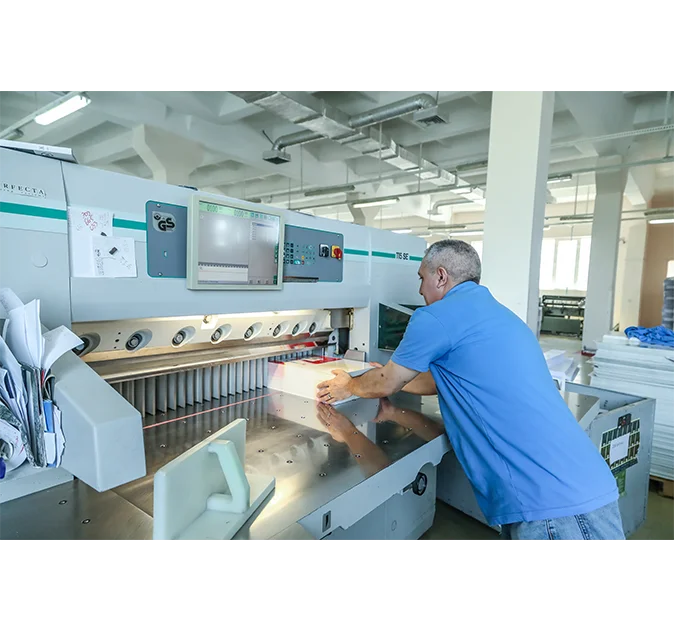
PERFECTA Master 115 SE
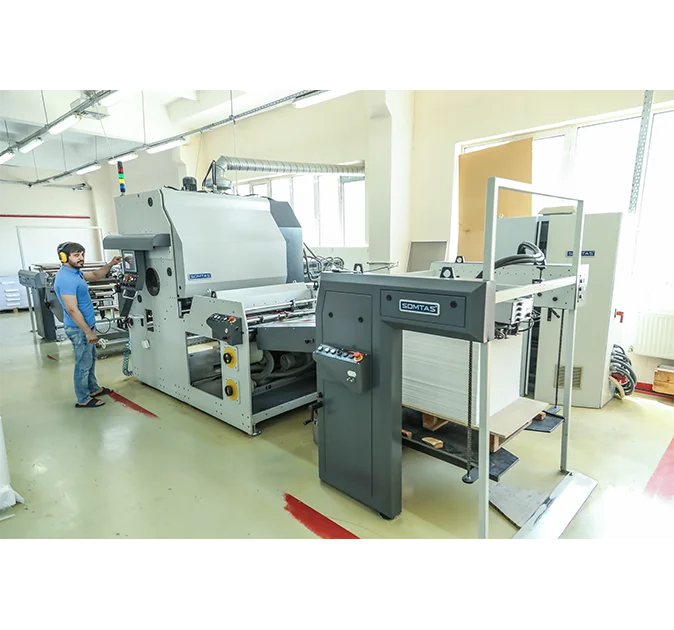
SOMTAŞ
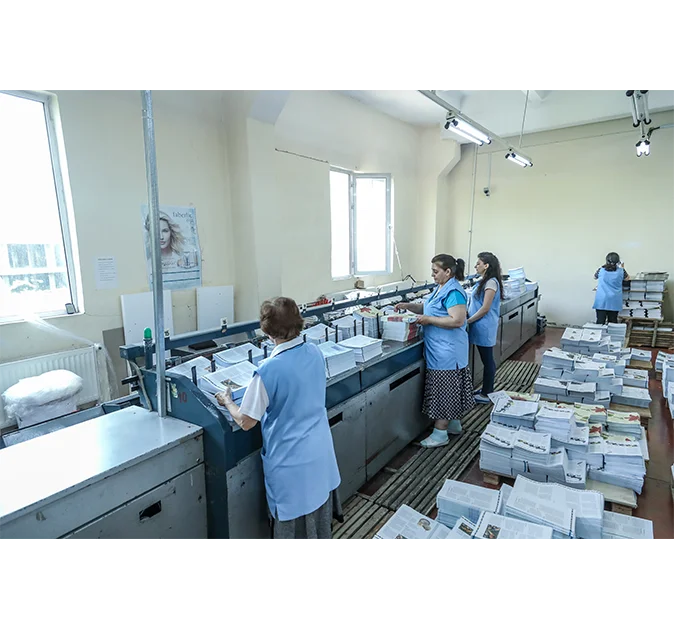
VEB Polygraph
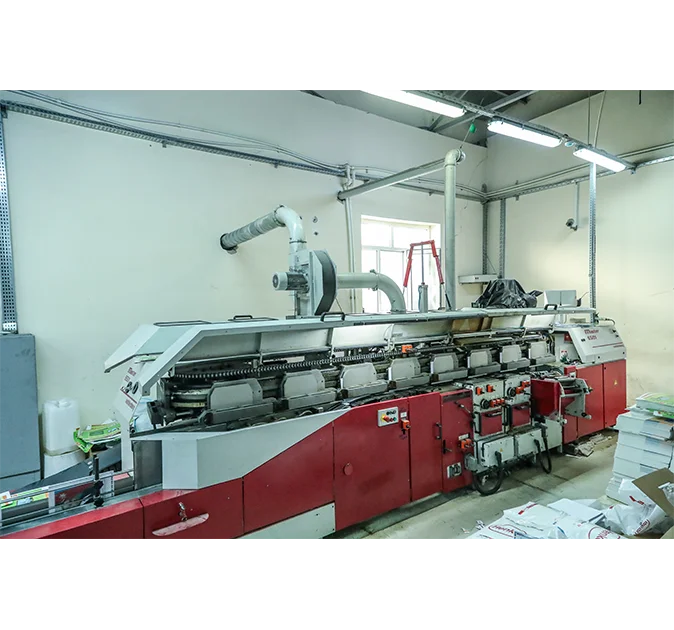
WOHLENBERG Master 6501
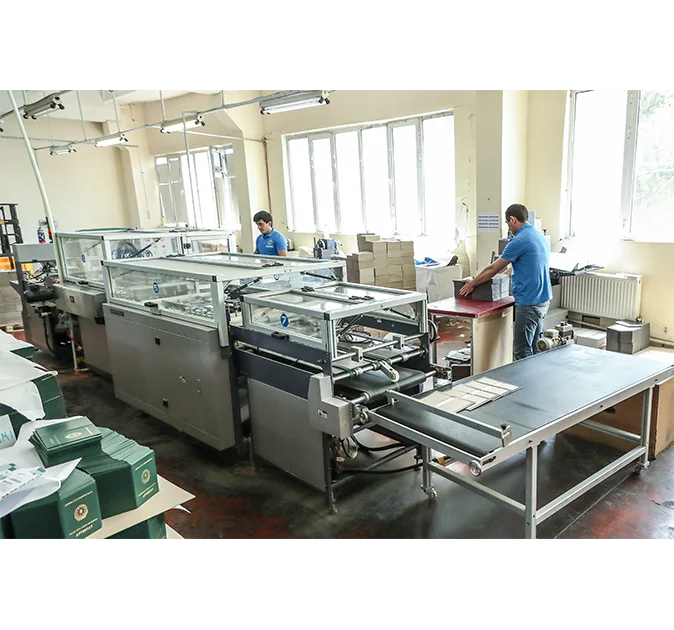
ZHENGRUN